Water is one of the quietest yet most critical ingredients in pharmaceutical manufacturing. The wrong water or poorly controlled ‘right’ water, can cost production time, regulatory headaches, product recalls, or worse: PATIENT SAFETY.
At Flier’s Quality Water Systems, our job is to help pharmaceutical manufacturers get the right water filtration system that support compliance with applicable pharmacopeial expectations (USP/EP/JP) and GMP controls.
Below is a practical guide to help you pick the right water, design or evaluate a system, and keep your processes compliant and safe.
The Basic Water Types: What They Mean
Common categories you’ll encounter are:
- Potable (or feed) water: Municipal or well water used as the feed source for pharmaceutical purification. It is NOT pharmaceutical-grade water and must be treated before use in drug production.
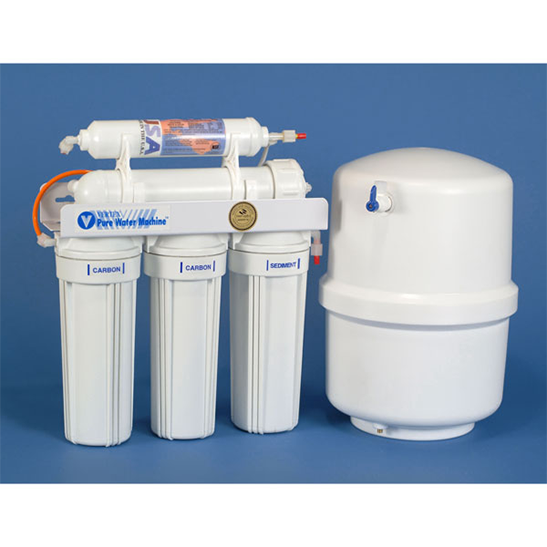
- Purified Water (PW): Purified Water is treated to remove ionic and organic contaminants to meet defined pharmacopeial standards. It is commonly used for non-parenteral products, equipment cleaning, and as a general-purpose pharmaceutical excipient. It is usually produced using technologies such as reverse osmosis, deionization, or a combination of methods.
- Water for Injection (WFI): It is the highest-grade bulk water for parenteral (injectable) products and processes. Historically produced by distillation, modern pharmacopeial and regulatory guidance now accepts properly validated membrane technologies in many jurisdictions, but WFI remains subject to stricter controls because it’s intended for parenteral use.
- Sterile Water for Injection (SWFI) and Sterile Purified Water: These are packaged, sterile forms intended for use where sterility is required (e.g., final vial diluent). Their production and packaging include sterility assurance steps in addition to water quality.
Note to Remember:
If water contacts a sterile parenteral product (including process steps upstream of sterilizing filtration), WFI is usually required. For topical creams, oral solutions, or cleaning of non-sterile equipment, Purified Water can be sufficient. Always check the specific monograph and regulatory expectations for your product.
What the Pharmacopeias (USP/EP) And Regulators Expect?
The United States Pharmacopeia (USP) provides general chapters and monographs that define compendial water types and testing approaches; General Chapter <1231> Water for Pharmaceutical Purposes is an essential reference for water classification and expectations. The USP also publishes FAQs and guidance explaining the rationale behind certain testing and why microbial limits may not always be specified directly in monographs, because microbiological control is achieved through a combination of system design, monitoring, and GMP.
Regional authorities, such as the European Medicines Agency (EMA) and the World Health Organization (WHO), have complementary guidance focused on risk-based design, microbiological quality, distribution systems, and lifecycle control. EMA guidelines and WHO GMP annexes stress that water system design, choice of materials, sanitization, and ongoing monitoring are equally important as the method used to produce the water.
Note to Remember:
While compendial monographs define analytical tests for finished water, GMP requires that manufacturers demonstrate an ongoing state of control for water systems. It means you should provide validated design, routine monitoring (chemical and microbiological), cleaning/sanitization regimes, and robust change control. The FDA and other agencies emphasize that water is part of the manufacturing environment and must be controlled accordingly.
Production Methods: Distillation, Reverse Osmosis, And Other Technologies
Historically, distillation was the default for WFI. It works by boiling water and then condensing the steam, which naturally removes contaminants. Because of this, distillation is still considered a very reliable and well-understood method. It produces water with very high microbiological purity right at the point where the water is made.
Today, modern membrane-based systems are also widely used. These include technologies like reverse osmosis (RO) and ultrafiltration. These systems push water through very fine filters that remove impurities, bacteria, and endotoxins. When properly designed and validated, they can produce Purified Water and, in some cases, WFI or WFI-equivalent water.
Regulatory agencies now accept membrane-based methods for WFI, but only under strict conditions. The system must be fully validated to control endotoxins and microbial contamination, and this applies not just to the production unit but also to the entire distribution system where the water flows and is stored.
Note to Remember:
The production method affects how the water system is designed downstream. Distillation creates very clean water immediately, which reduces microbial risk at the start. On the other hand, membrane systems can use less energy and take up less space, but they require tighter control to prevent biofilm growth. This means careful design of the distribution loop, regular sanitization, and ongoing monitoring are critical.
When choosing a method, it’s important to look beyond just the equipment. Both capital costs and operating costs matter, and the best choice is one that fits into a well-validated system with a strong long-term control strategy.
Key Quality Attributes and Monitoring You Must Plan For
When you choose a water type and technology, plan routine monitoring and specifications for these attributes:
- Conductivity / Resistivity: It shows how much ionic material is present in the water. This is a core requirement for Purified Water and is usually monitored continuously or at frequent intervals throughout the distribution loop to make sure purity stays within limits.
- Total Organic Carbon (TOC): It is used as an indicator of organic contamination. It’s especially important for WFI systems and is often measured continuously or on a frequent schedule to catch changes early.
- Microbiological control (CFU counts): It is typically measured as colony-forming units (CFU) per milliliter, which helps confirm that bacteria are being kept under control. Samples are taken from multiple points in the system. Testing frequency, along with alert and action limits, is defined as part of a risk-based monitoring plan.
- Endotoxins: Endotoxins are a major concern for WFI and any parenteral application. Your endotoxin monitoring approach should be clearly defined during validation and carried into routine operations, with limits and response actions clearly documented.
Note to Remember:
Pharmacopeial monographs alone don’t replace a GMP risk-based monitoring strategy. The USP sometimes omits fixed microbial limits for certain waters because system design and operational controls (sanitization, distribution, materials, validation) are the parties that ensure ongoing microbiological quality (not a single snapshot test).
How to Decide Which Water You Need: Selection Checklist
Use this stepwise approach when choosing a water type:
Step 1: Map contact points
Look at where the water will touch your process, whether it contacts the API, an intermediate, the final product, or only equipment during cleaning. If the water comes into contact with parenteral products, WFI is required. For non-parenteral products or cleaning steps, Purified Water may be sufficient.
Parenteral contact → WFI.
Non-parenteral → Purified Water
Step 2: Assess risk
Perform a simple water-quality risk assessment (endotoxin risk, microbial contamination risk, impact on product sterility). Use that to set monitoring frequency and alert limits.
Step 3: Match technology to risk and budget
Distillation remains a proven and widely accepted method for producing WFI. Membrane-based systems can also be suitable, but only if they are properly validated and tightly controlled for microbiological risk. When comparing options, consider full life-cycle costs, including energy use, maintenance needs, and downtime for sanitization.
Step 4: Design the Distribution Carefully
Good loop design is very important. Eliminate dead legs, choose appropriate materials like 316L stainless steel or qualified polymers, and ensure proper slope and drain placement. These design choices play a major role in preventing biofilm formation and maintaining water quality.
Step 5: Plan Validation and Routine Control
Validation should prove that the system can consistently produce water that meets both compendial and internal specifications. Once validated, the system must be supported by ongoing monitoring, data trending, and clearly defined corrective actions to keep it in control over time.
Common Pitfalls We Help Teams Avoid
At Flier’s Quality Water Systems, we’ve seen the same issues surface again and again during audits, system upgrades, and regulatory inspections. These pitfalls rarely come from lack of effort, as they usually stem from underestimating how tightly pharmaceutical water quality is tied to system design, monitoring discipline, and lifecycle thinking. Here’s where we help teams get it right from the start:
Mistake 1: Focusing Only on The Generation Unit, Not The Entire System
A high-performance RO or still means very little if the distribution loop allows biofilm to develop. Regulatory guidance makes it clear that water quality must be controlled from the incoming feed all the way to the point of use. We help design and validate complete systems, so quality is preserved throughout the entire pathway.
Mistake 2: Underestimating Ongoing Monitoring Requirements
Conductivity, TOC, and microbiological trends are your early warning system. When monitoring programs are under-designed or inconsistently executed, problems surface late, often during inspections or investigations. We build monitoring and trending strategies that meet regulatory expectations and give operations real-time insight into system health.
Mistake 3: Skipping Lifecycle Thinking During System Design
Materials of construction, sanitization methods, and maintenance accessibility should be engineering decisions made on day one (not after issues arise). Systems that are difficult to clean, sanitize, or maintain rarely stay in control long-term. We take a lifecycle approach to water system design so compliance, operability, and reliability are built in, not patched on later.
This is where EXPERIENCE MATTERS. At Flier’s Quality Water Systems, we help manufacturers avoid the issues that lead to deviations, downtime, and regulatory risk, while ensuring long-term compliance with GMP and pharmacopeial expectations.
What Regulators Will Look for In an Inspection?
When inspectors review your pharmaceutical water system, they focus less on promises and more on proof. Here’s what they typically expect to see:
- Clear water specifications tied to product use (both compendial and internal limits)
- Validated water generation, storage, and distribution systems
- Regular testing of key parameters (such as conductivity, TOC, microbiology, and endotoxins) with trend analysis
- Written procedures and records showing that cleaning, sanitization, and preventive maintenance are performed as planned.
- Clear documentation that deviations are investigated, root causes are identified, and corrective actions protect product quality.
- Records that show the system is consistently managed and controlled.
In short, regulators want confidence that your water system is designed, operated, and maintained to protect product quality and patient safety at all times.
Why Work with Experienced Water-System Partners?
For designing and running a compliant pharmaceutical water system, you must have good knowledge about engineering, microbiology, regulatory know-how, and practical maintenance. At Flier’s Quality Water Systems, we pair engineering design with GMP-aligned validation protocols and operations training so your system is robust from day one and stays that way over the product lifecycle. We focus on compendial alignment (USP/Ph. Eur.), risk-based GMP controls, and pragmatic operability, so you pass inspections and, more importantly, protect patients.
Wrap-up
Selecting the right water for pharmaceutical manufacturing is a technical decision with regulatory and patient-safety consequences. Make it with facts, risk assessment, and a lifecycle mindset. If you’d like, Flier’s Quality Water Systems can review your product contact map and offer a short, practical recommendation report (technology options, validation outline, and a monitoring plan) designed to fit your product portfolio and budget.
Frequently Asked Questions
How do I know whether my process needs Purified Water or Water for Injection (WFI)?
It depends on how the water is used. If the water comes into contact with injectable or parenteral products, WFI is typically required. For non-injectable products, such as oral liquids, topical formulations, or equipment cleaning for non-sterile manufacturing, Purified Water is usually acceptable. The final decision should always be based on the product monograph, regulatory expectations, and a documented risk assessment.
Is meeting USP limits enough for compliance?
No. USP tests show water quality at one point in time. GMP requires continuous control through validated systems, routine monitoring, sanitization, and trending.
How often should pharmaceutical water systems be monitored?
On average, compliant pharmaceutical facilities monitor Purified Water with daily or continuous chemical testing and weekly microbiology, while WFI systems are monitored more frequently, supported by regular trend reviews and investigation of alerts.
Image by Freepik